tea_flavoured_eggs

Tea flavoured eggs recipe (cha ye dan) – a snack from China

Happy 2016! Let’s kick off the new year with a recipe for tea flavoured eggs: a common snack in China, lightly salted and fragranced with black tea. You can either use black tea leaves or tea bags such as these Twining black tea varieties. Assam works quite well and gives the eggs a nice flavour. Please don’t use green tea, as the flavours won’t feel balanced.

I’m using tea bags in this recipe, as I needed to use decaf tea. Otherwise, this is a quite strongly flavoured version of the recipe, as I prefer a stronger taste for the eggs.

Despite the long cooking time for this recipe (around 1 hour then soaking overnight), it’s actually very simple to prepare. The eggs will keep for 3 days if refrigerated, so you can cook a larger batch if you prefer.
tea_flavoured_eggs

Ingredients
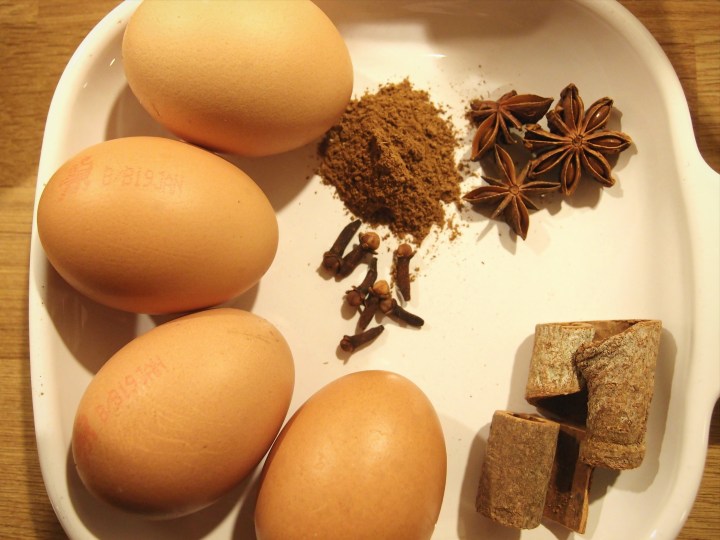
4 eggs
3 tea bags
3 star anise
6-7 cloves
2 sprigs of cinnamon (I’m using the Chinese version here)
1 heaped tablespoon of five spices powder
1 tablespoon of soya sauce
Salt to taste Continue reading “Tea flavoured eggs recipe (cha ye dan) – a snack from China”

Chocolate_Salami_Recipe

Straight to the heart: Chocolate Salami (salame di cioccolato)

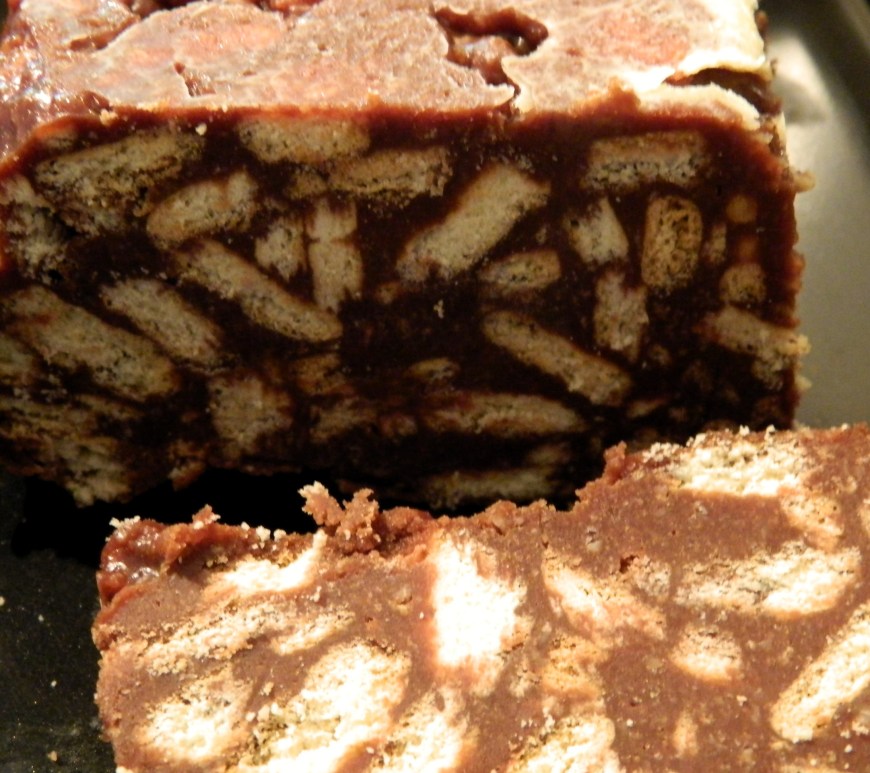
Chocolate salami (salame di cioccolato) is the easiest Christmas dessert there is to make. There isn’t much work involved; even the oven can stay turned off. I usually use the same recipe you can find on Giallo Zafferano, but this time I mixed it up a little with a recipe from the book At Elizabeth David’s Table, where she calls it torrone molle (lit. soft nougat). All you need is 20 minutes of your time and patience, as it is a lot more delicious if made a day before you want to serve it. Despite being so simple, it is always a huge success, and I constantly get guests asking me to have a piece to take home. Consider it if you are out of ideas or time for a dessert for your NYE party, but also keep it in mind for any occasion.

David’s recipe uses the same amount for all the solid ingredients, but I have used a bit less sugar because I don’t like it when chocolate desserts are too sweet. Also, she uses cocoa, and while I much prefer a good dark chocolate bar to melt, it still gives a soft texture.

For up to eight people.

Ingredients:
175g butter
175g dark chocolate
175g ground almonds
100g sugar
175g plain biscuits such as Petit Beurre or Rich Tea (broken into almond-sized pieces)
1 whole egg and 1 yolk

Continue reading “Straight to the heart: Chocolate Salami (salame di cioccolato)”

Shredded pork and coriander

Shredded pork and coriander recipe (xiang cai chao rou si)

This simple and quick pork and coriander stir-fry dish comes from Northern China, just south of Beijing – from Shandong – and is part of the Lu cuisine (which is why it’s not a stew this time!)

Sometimes it has been modified to a spicier dish (by adding chilli), but the original version only uses salt, soya sauce, cooking alcohol, ginger and spring onion for flavouring. My family never made it with chilli peppers, so this is what you’ll find here.

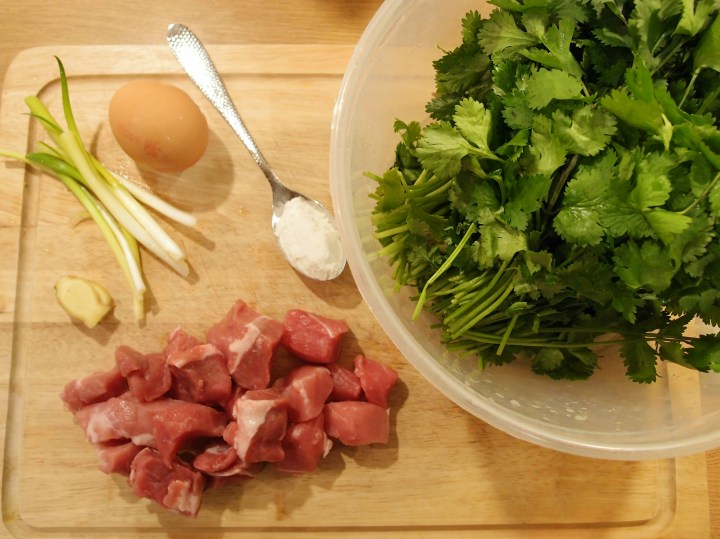
The best cut of pork for this stir-fry is the fillet (aka the tenderloins). The cheapest pork I found during my shopping trip was already cubed, so that’s what I’m using. To make up for the cut, I’m cutting these into smaller pieces here. The aim is for it to cook very rapidly, so the prep time is roughly 10 minutes, but it should only cook for around 5-6 minutes.

This version of the recipe serves 2.

Shredded pork and coriander

Ingredients
200g of pork
1 egg
1 tbsp of plain flour
4-5 spring onions (small)
2 slices of ginger
1 tbsp of soya sauce
1 tbsp of Shaoxing rice wine
200g of coriander
Salt to taste
2-3 drops of sesame oil

Yes, that’s not a typo, you really do need 200g of coriander! Continue reading “Shredded pork and coriander recipe (xiang cai chao rou si)”

Meatloaf

Hearty winter meatloaf with tomato sauce recipe

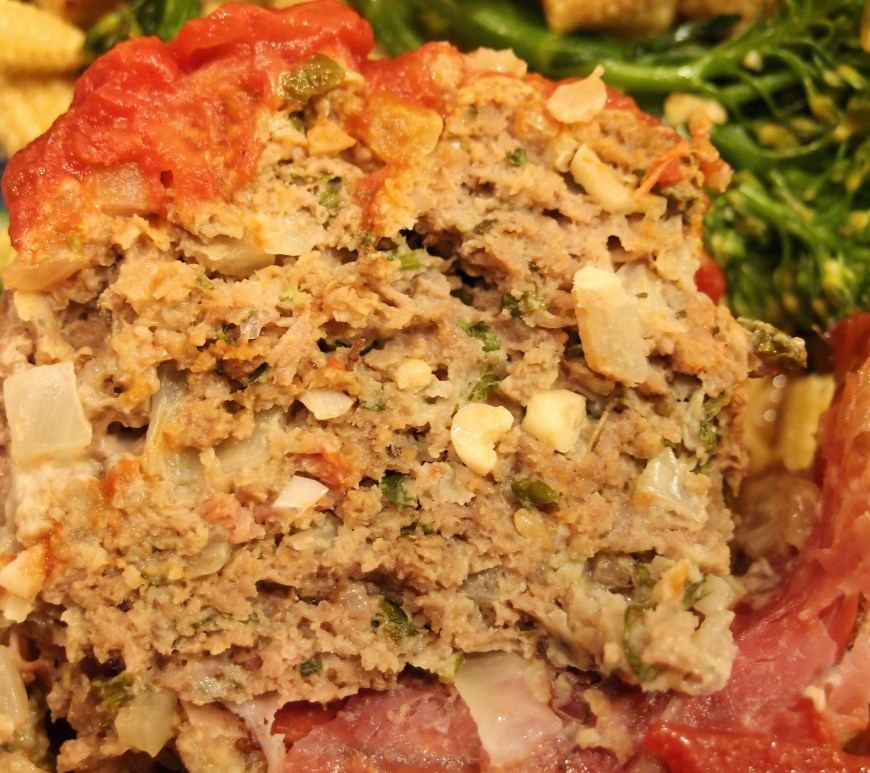
Now that the weather is getting colder, a good serving of meatloaf can warm you right up. That, and I had some bread to use up. I’ve adapted this recipe over time from the BBC Good Foods hot or cold meatloaf recipe, as I prefer my meatloaves a bit nuttier and slightly herbier, but with less onions. The tomato sauce compliments the meatloaf really well, so I’ve included it here.

This will serves 4 people. Prep time is roughly 15 minutes, and it will need 1 hour in the oven.

Meatloaf

Ingredients
500g of minced pork
4 tbsps of powdered parmesan
1 tbsp of dried oregano
2 slices of granary bread with nuts
1/2 an onion
30g of fresh parsley
8 slices of prosciutto
1 egg

For the sauce:
2 vine tomatoes
3 tbsps of tomato sauce

Continue reading “Hearty winter meatloaf with tomato sauce recipe”

Omurice

Omurice – omelette with fried rice

Omurice is basically fried rice wrapped in an omelette – two delicious foods in one! It’s a western-inspired Japanese recipe, and you can generally find it in all sorts of cafés. It can look like a piece of edible art (as you can see from this rilakkuma-inspired omurice). Whatever form it may take, at the heart of the dish is always fried rice, omelette and the all-important tomato ketchup.

This recipe serves 2 (makes 2 omurices), and takes 40 mins to cook. I have pre-prepared the chicken here, as this version is more meat-heavy than what you’d normally find, and I didn’t want the chicken to feel dry. It’s been marinaded in buttermilk overnight.

Also, I prefer using buttermilk for omelettes, as they make the omelettes much fluffier than using milk or just using eggs without either.

omurice

Ingredients
200g of chicken breast
100ml of buttermilk
3/4 cup of rice
1 block of chicken stock cube
3 eggs

1 tbsp of powdered parmesan (optional)
A pinch of black pepper
150g peas
1/2 onion

Tomato ketchup

You’ll also need salt to taste.

Continue reading “Omurice – omelette with fried rice”

bottarga_fennel_sardinianfood

Bottarga: the Sardinian Gold

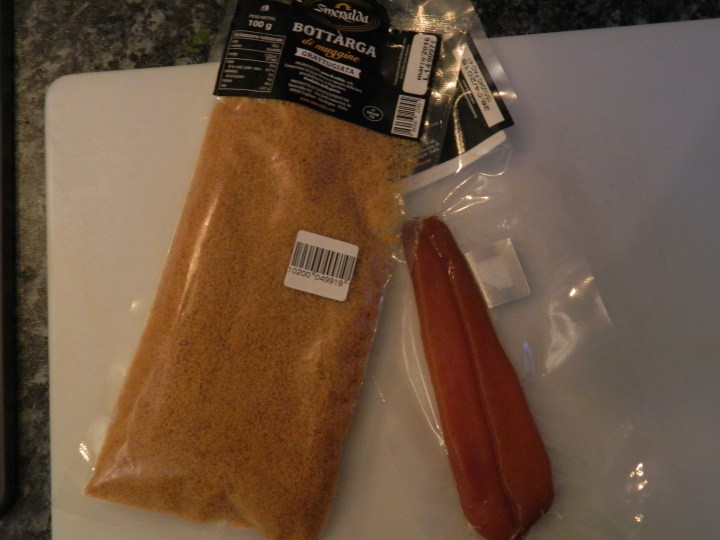
Bottarga (also called bottargo or bottariga…) is a delicacy widely used in the south of the Mediterranean: several cuisines have this fish roe amongst their ingredients, but it is commonly associated with Sardinian cuisine. Hence, it is an indispensable element of my cooking.
bottarga_sardinian
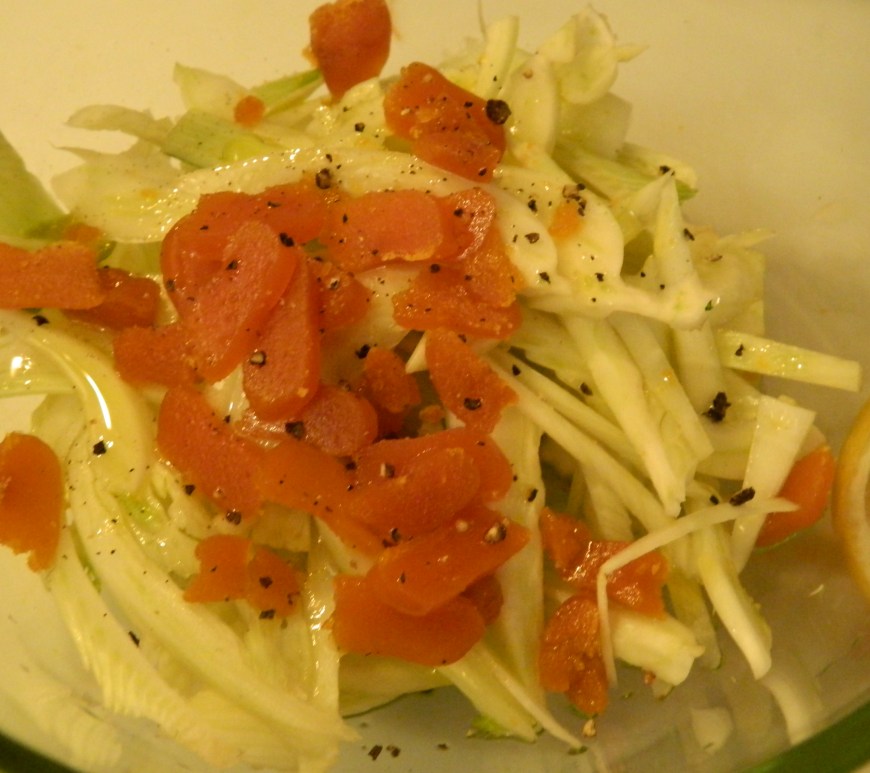
The preparation of this magical ingredient is rather simple: the fish roe is usually taken from grey mullet or tuna, and it is left to dry in salt after being pressed into an oblong shape. This is then coated in beeswax for preservation purposes. It has a very strong fishy flavour, which is a real speciality to be used for antipasti like in this marvellous cabbage and pine nuts dish (photo below) or as an addition to fish based pasta (like a parmigiano of the sea).

Continue reading “Bottarga: the Sardinian Gold”

Candied_sweet_potato

Bonfire night recipe: candied sweet potato

It’s time for fireworks and toffee apples. Yes, it’s time for Bonfire Night. For something a bit different from apples, you can also coat sweet potatoes in sugar. Here’s a very simple recipe for doing just that. It’s a flexible recipe: you can use any type of frying oil you like, and you can cut your sweet potatoes into cubes or strips. I like doing them into smaller slices simply because I like more sugar than sweet potato. Hey, it’s not a healthy recipe by any means (you’re doing some serious frying and coating things in sugar), and we’re not going to eat this every day, so anything goes!

This is from a Chinese recipe where you’d normally cut the sweet potatoes into cubes and also create “threads” with the sugar afterwards to make it look pretty. I generally do that if I’m having this as a standalone dish, but this time it was a small side with the main meal. When you make this with sweet potato cubes, make sure that you don’t brown it as much as I’ve done. I like a crispier taste when having it as a side.

The below serves 2 as a side. You can easily scale it up.

Candied_sweet_potato

Ingredients
1 sweet potato (roughly 300g)
100g cane sugar (ideally not brown sugar for this)
1 tablespoon sesame

You’ll also need oil for frying and half a cup of water. I used olive oil here.

Continue reading “Bonfire night recipe: candied sweet potato”

Halloween_Squash_Mince_Recipe

Halloween recipe – sweet potato and squash mince bake

Halloween is just a few days away, and it’s the season of pumpkins, squash and other things orange. This sweet potato and squash mince bake is a modified Chinese recipe – the original uses processed fish balls instead of mince, and uses only squash or pumpkin, but I prefer cooking with fresh meat, and mixing in the sweet potato gives you a more balanced mix of your veg intake. It will make a nice main dish to go with all the beautiful Halloween cakes and snacks on the BBC website, for example (love their Good Food section!)

This recipe takes a bit longer than the others we’ve listed so far, and a lot of it is prep time. There’s a lot of chopping involved. If you want to save a bit of time, then M&S do a bag of mixed butternut squash and sweet potato cubes (350g). I used an onion squash for this recipe, not only because it’s the right size and I don’t like leaving half-cut veg in my fridge, but also because the flavour isn’t as sweet, so works well with sweet potatoes.

Halloween_Squash_Mince_Recipe

There are also two other easily swappable elements in the recipe, and they are the mince and the salted egg. You can use any type of mince you like apart from lamb – lamb tastes too strong and doesn’t balance well with the rest of the flavours. I’ve used pork and beef before, and this time I’ve used veal as it was on offer.

The salted eggs are from the original Chinese recipe, but not to worry – if you can’t get hold of them, then normal eggs will do just as well. You’ll need to add a bit more salt along the way, but the whole point of the recipe is that everything will half-disintegrate and mesh together, so normal eggs are just as good.

This recipe takes around 1 hour to make, and will serve 3-4 people.

Ingredients
1 onion squash (roughly 500g)
1 sweet potato (roughly 300-400g)
2 salted eggs
5 peppercorns
300-400g mince
5 tablespoons Chinese shaoxing cooking wine (optional)
100g Greek cheese

You’ll also need olive oil and salt to taste.

We’ll be starting in a frying pan, and will then move the mix into the oven, so you’ll need to prepare a baking tray (lined with foil if you want to save some scrubbing later). Continue reading “Halloween recipe – sweet potato and squash mince bake”

Pork_belly_sauerkraut_stew

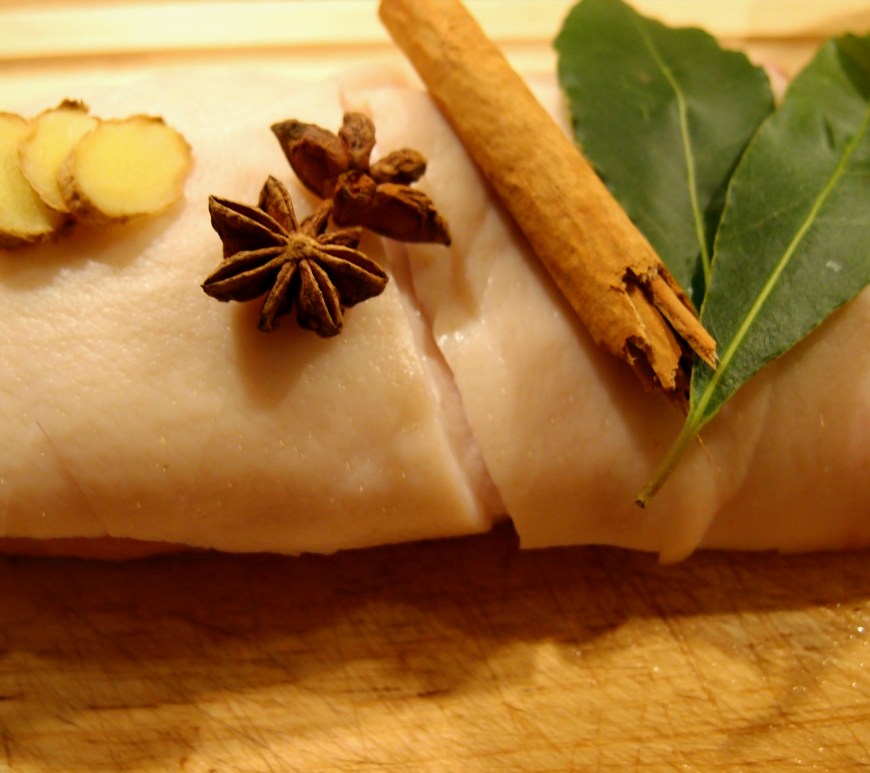
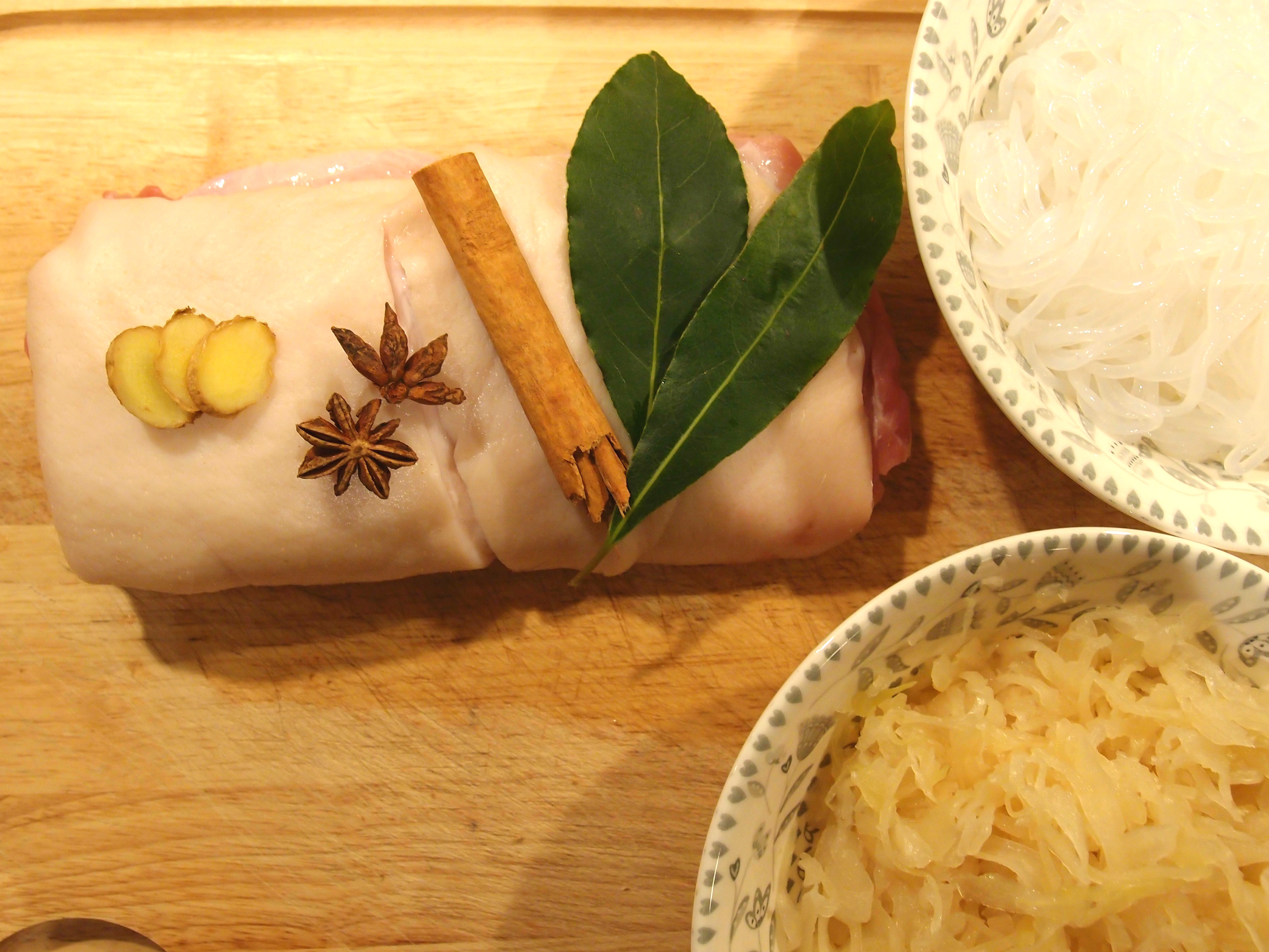
Pork belly and sauerkraut stew – a modern take on a traditional Chinese recipe

The pork belly and Chinese sour cabbage stew is one of my favourite dishes from China’s Dongbei cuisine, but sadly it’s extremely difficult to get hold of Dongbei-style sour cabbage outside China (the type from Southern China tastes very different). In order to make your own through my grandmother’s traditional recipe, you need to make a really massive batch, and I don’t cook with it enough to make that a realistic option.

Luckily, sauerkraut tastes a lot like it, and although it’s not 100% to the traditional taste, you can get the same balance of the refreshing sour taste of the sour cabbage and the rich and juicy pork belly from this recipe.

Also, to note, I’ve used the method where you cook the uncut pork belly first. You can also slice the pork belly into strips when the pork is raw (if it’s too soft to cut easily, just put it in the freezer briefly until it’s easier to cut). However, directly cooking the sliced pork belly gives you a greasier dish in the end, so I prefer cooking it the longer way.

Traditionally, you’d use a vermicelli made from yam for the stew (it has to be the thicker variety), but here, as pork belly is quite a fatty food, I’ve swapped it out for Shirataki noodles. These are super low calorie and are made from konjac yam, so taste identical to the traditional ones in the stew. If you can’t get hold of these, then you can replace it with a thick noodle or even leave it out completely.

shirataki_noodles

The recipe below serves 2-3, and takes roughly 40 mins to cook. As you’ll see below, the ingredients are also a bit rough for this, because in Chinese stews, you can vary the amount of meat or noodles and it will still come out well.

Ingredients
1 strip pork belly/pork belly joint (roughly 400-500g – I used 430g)
1/2 stick cinnamon
2 bay leaves (ideally fresh)
2 star anise
3 slices ginger
200g sauerkraut
1 bag shirataki noodles (mine was 170g)

You’ll also need olive oil to release the flavour from the spices, and will need to add some salt and water along the way.

Pork_belly_sauerkraut_stew Continue reading “Pork belly and sauerkraut stew – a modern take on a traditional Chinese recipe”

Dongbei Poussin and Mushroom Stew

Often called a chicken and mushroom stew, it’s traditionally prepared by the bride’s family on the wedding day, but is very much a popular and everyday dish. The actual preparation only takes 10-15 minutes – then you can just leave it to stew on low heat.  The chicken used in the stew is actually closer to a poussin (you can also use corn-fed chicken though), so that’s what I’ve used here. This was one of my favourite stews from childhood, and as it’s a Chinese dish from Dongbei/Manchuria (in the North East), it has quite strong flavours. Continue reading “Dongbei Poussin and Mushroom Stew”