Tofu and crab simmer pot (xie huang dou fu) – a simple Chinese recipe

Crab is a popular dish to include when celebrating Chinese New Year, and since it’s only 2 weeks away, we’d like to share this simple tofu and crab simmer pot recipe – it has minimal frying so is a good one to try if you don’t like the smoke from stir frying at home.

This recipe is one of the used traditionally to emulate the rarer and more expensive crab meat (another being imitated crab/sai pang xie), and can be made with duck egg yolk instead of crab meat. However, since crab is easier to buy nowadays, it’s rarely made with just eggs. Continue reading “Tofu and crab simmer pot (xie huang dou fu) – a simple Chinese recipe”

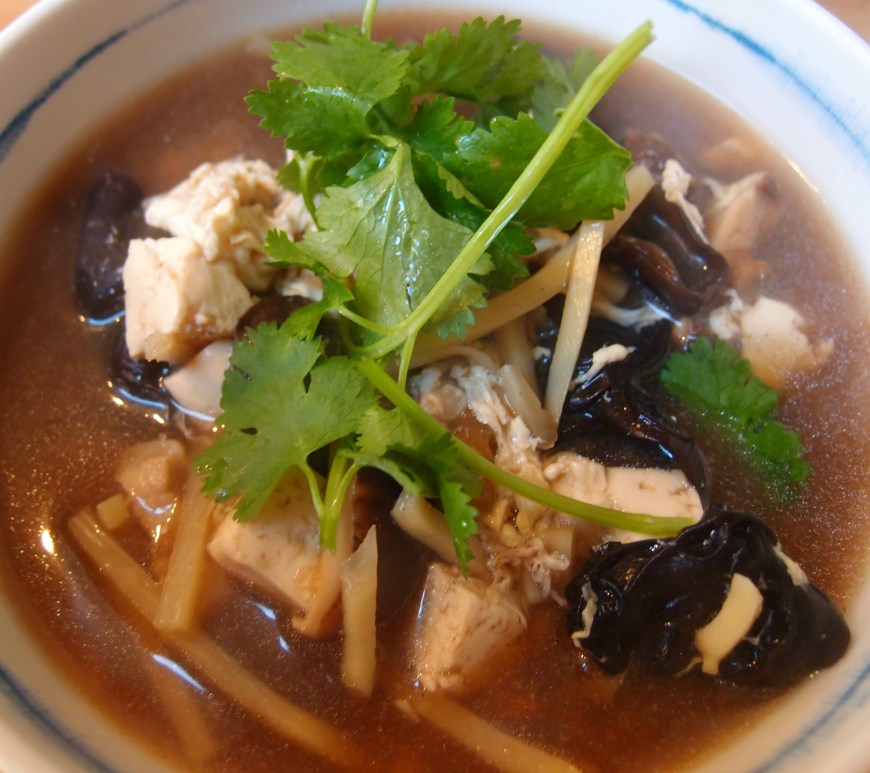
Hot and sour soup (suan la tang) – a simple warming Chinese recipe

Hot and sour soup is a perfect winter warmer now that we’re through to the last month in the year and the temperature’s dropping (further). It’s a soup that’s always on the menu in Chinese restaurants, and there are lots of fusion recipes around as well, such as the hot and sour chicken noodle soup. Traditionally, you’ll have hot and sour soup after a meal, and it’s supposed to help you feel better after a night of drinking – also extra handy during the festive season!

The soup is originally from Sichuan, and you’ll find that the ones in restaurants are quite thick due to the cornflour. The versions you make at home generally don’t contain cornflour, so the consistency is much more watery. Here we’ve put cornflour as an optional ingredient, as it really doesn’t affect the taste of the soup.

This is a really easy recipe, and will cook you a nice pot of the soup. I can have half a pot to myself, but generally, it should serve 4 people.

Continue reading “Hot and sour soup (suan la tang) – a simple warming Chinese recipe”

Sweet and sour pineapple and turkey stir-fry – a recipe for leftovers

Thanksgiving means turkey galore! And whether you’ve got some raw turkey left in the pack or if it’s already cooked, this Chinese recipe with pineapple, traditionally made with chicken, can give you a completely different meal from the roast the day before. We’ve cooked this with raw turkey, but if you have some already cooked turkey, especially where you’ve rubbed it with salt and pepper/stuffed it with herbs, then simply skip the first step. Continue reading “Sweet and sour pineapple and turkey stir-fry – a recipe for leftovers”

Food_Beijing_Restaurant

Beijing: a foodie’s heaven and a tale of two restaurants

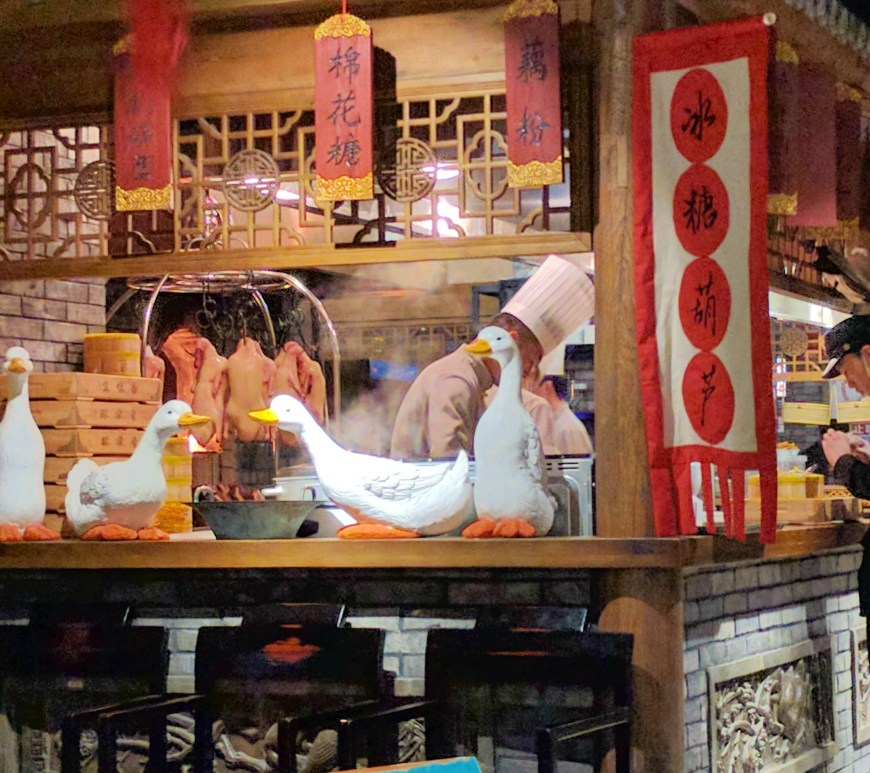
When making a culinary trip to Beijing, hutongs are a must – there are many foodie finds among the traditional courtyards. However, if there are more of you or if you are travelling with young children (or even just want a roomier sit-down environment), give Ju Qi (局气) or Jing Wei Zhai (京味斋) a go. Ju Qi, named after a Beijingese word for having poise … Continue reading Beijing: a foodie’s heaven and a tale of two restaurants

Stir Fried Spicy Chilli Chicken (La zi ji ding)

Chicken with chillies is a recipe from Sichuan’s Chongqing, which means it’s very spicy and mouth-numbing. The idea is that when you have the finished dish, it will look like a plate of chillies, and you can then have fun searching for the smaller pieces of chicken among the chillies.

The main spices are dried red chillies (of course) and Sichuan peppercorns, and if you want to know how much to add? The answer is lots, as long as you can bear it! The traditional chilli to peppercorn ratio by weight is 4:1. Continue reading “Stir Fried Spicy Chilli Chicken (La zi ji ding)”

Mapo tofu (mapo doufu) recipe – spicy tofu with minced pork

Mapo tofu is one of the most well-known dishes from the Sichuan cuisine, and as with most Chinese recipes, there are many variations to the recipe. It is also extremely easy to make, and the main ingredient is soft tofu (medium can also be used if necessary, but is not ideal, but stay away from silken and firm – here’s a guide to tofu types!)

This version uses more minced pork than usual, and doesn’t have as much sauce as some of the other versions. If you decide to use less pork, then you can reduce it to 100g without affecting the flavours. You can also add a tbsp of chicken stock powder to it instead.

Continue reading “Mapo tofu (mapo doufu) recipe – spicy tofu with minced pork”

Clearspring_Umami_Paste_Chinese_Mixed_Veg

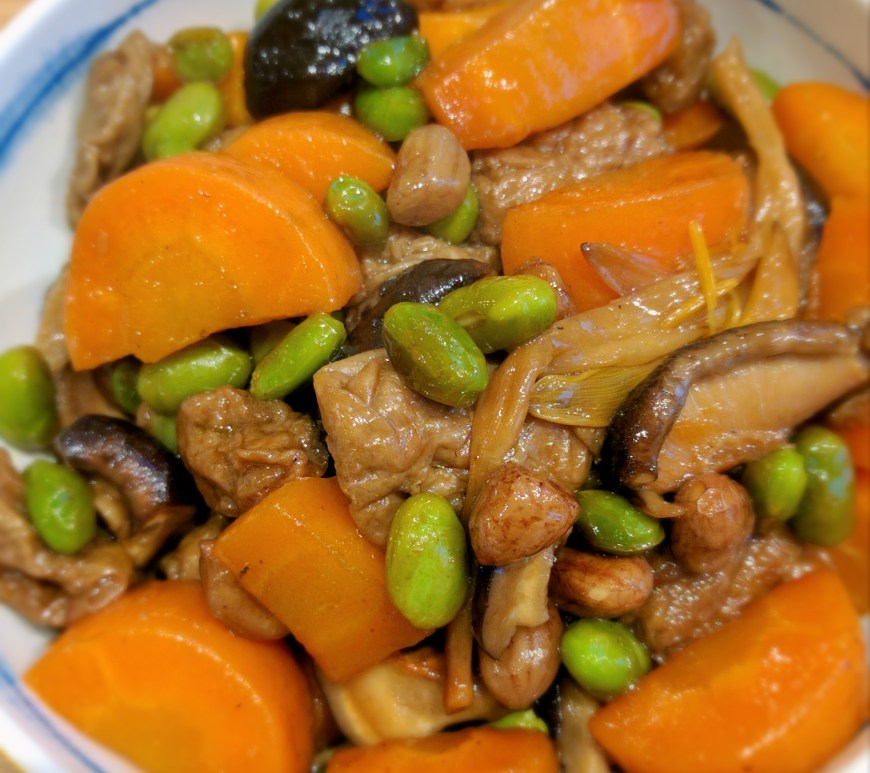
Chinese mixed vegetables (Su Shi Jin) with Clearspring Umami Paste

Chinese cooking can often be at odds with a vegetarian diet (of course, there are exceptions), and that’s partly because in Asia, umami, aka the fifth taste, is just as important as your sweet and your sour. This is what made MSG such a core ingredient. This is also the taste that Clearspring‘s organic Japanese umami paste offers to provide in a form that’s much healthier and still suitable for vegans. As a fan of Clearspring’s miso, I was keen to try out their umami paste when Clearspring offered samples.

Clearspring_Umami_Paste_Chinese_Mixed_Veg

The paste comes in two flavours, ginger and chilli, and in a tube form that’s easy to squeeze and easy to store. This recipe uses the ginger version, as it’s a traditionally non-spicy dish.

Continue reading “Chinese mixed vegetables (Su Shi Jin) with Clearspring Umami Paste”

Rose coloured pork with fermented tofu (Meigui Furu Rou) – a healthier recipe

Happy Bastille Day everyone! Sadly I didn’t have a blue bowl to serve this in, but this pork and fermented tofu recipe traditionally adds a dash of red to your table, and is best served with some white rice. It is also traditionally made with pork belly, as you need a fattier cut to make this tender, but this way of cooking it combines frying and steaming, and results in nice and juicy meat with pork cheeks – and is not as slow to cook as other recipes using pork cheeks.

The fermented tofu can also be replaced with soy sauce and normal tofu if you really can’t get hold of it, although of course the taste won’t be the same, but the pork cheeks will still be tender with the fry then steam method! This recipe works with the red version of fermented tofu, which is what gives the meat that lovely red colour at the end. It takes around 2 minutes to prep, followed by 5 minutes of active cooking time, then 45 minutes in the steamer. Continue reading “Rose coloured pork with fermented tofu (Meigui Furu Rou) – a healthier recipe”

Cola ribs the Chinese way – a simple recipe

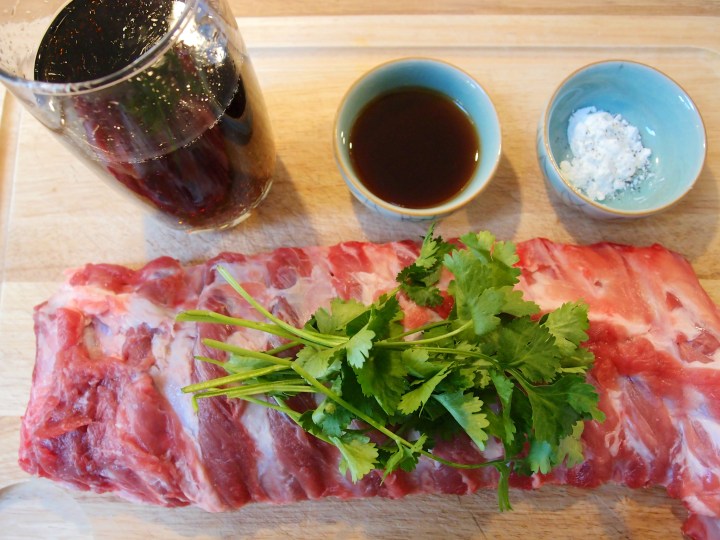
Cooking with cola is not that unusual – Nigella, for example, offers a ham in Coca-Cola recipe. The popular drink has also made its way into Chinese home cooking, and instead of using the oven, the ribs are all cooked in a pan. Coca-Cola’s flavourings include vanilla and coriander, which are both enhanced in this recipe.

The prep time is around 5 minutes, but you do have to leave the meat marinading for some time, ideally overnight, so it’s a dish you can prepare in advance. We’ll need to let the ribs simmer on the hob for around 45 minutes as well.

Cola_Ribs

Ingredients
1 rack of ribs
1 tbsp of light soy sauce
1 tbsp of dark soy sauce
1 tbsp of Chinese Shaoxing rice wine
1 tbsp of corn flour
A pinch of ground vanilla (optional)
250ml of Coca-Cola
A handful of coriander

Continue reading “Cola ribs the Chinese way – a simple recipe”

Dough_Knot_Soup

Dough Drop Knot Egg and Tomato Soup – Chinese Gnocchi

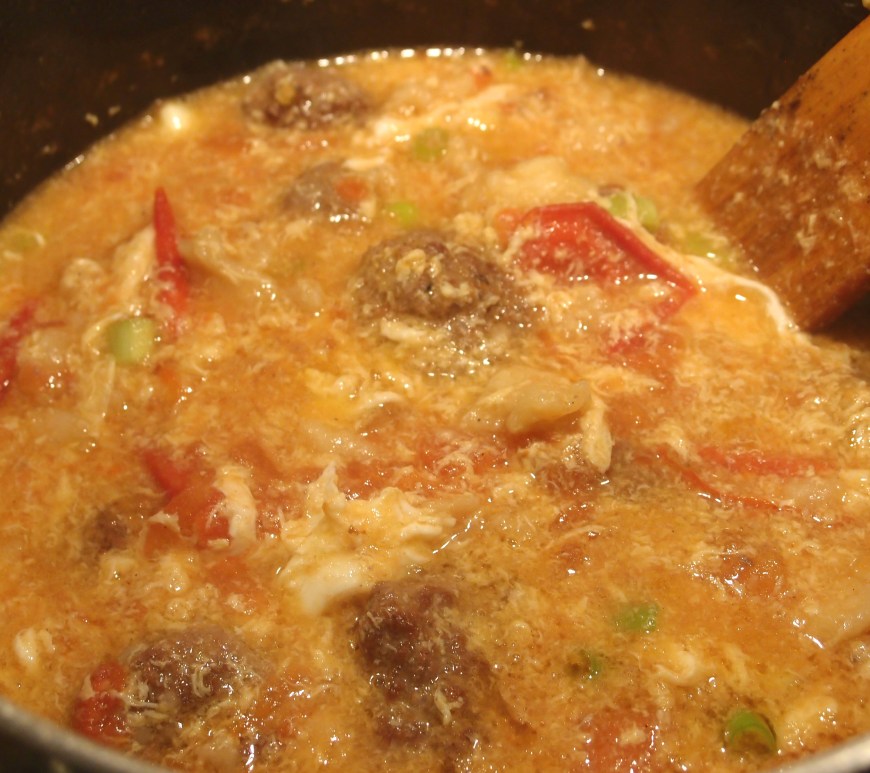
When you think of Chinese food, rice usually comes to mind, but actually flour-based recipes are just as common in the north. This dough drop soup is a home-cooked staple from the north of China as it looks more filling than it is, and it’s really easy to make, so became popular in the Sixties, when food was scarce. You don’t have to worry about making the dough drops even or pretty, because the whole point is that they are supposed to look lumpy and uneven – part of the handmade charm. Continue reading “Dough Drop Knot Egg and Tomato Soup – Chinese Gnocchi”