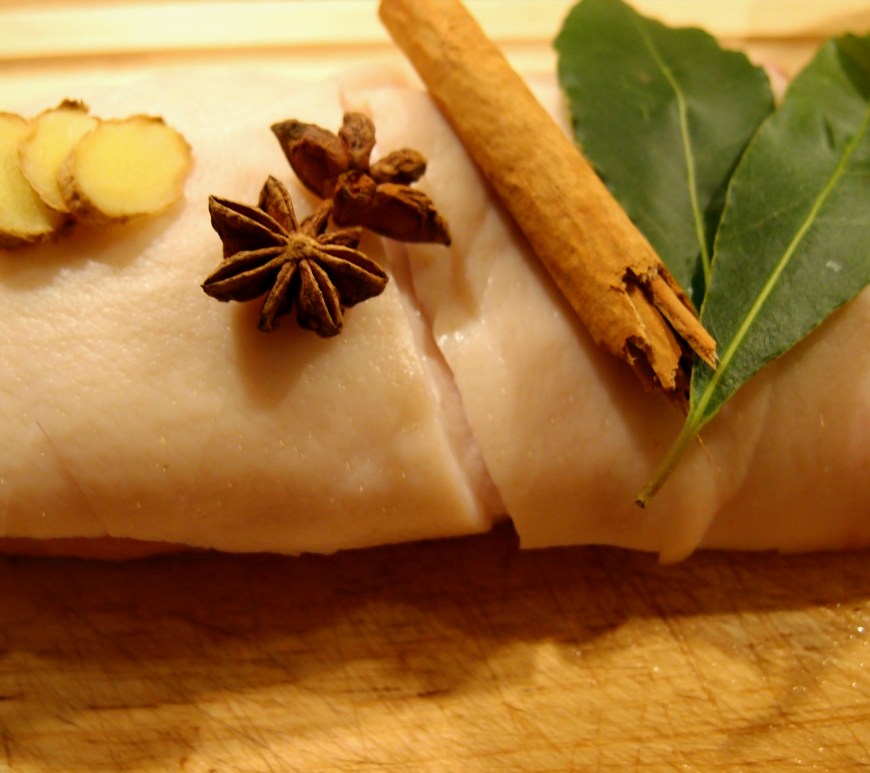
Pork belly and sauerkraut stew – a modern take on a traditional Chinese recipe
The pork belly and Chinese sour cabbage stew is one of my favourite dishes from China’s Dongbei cuisine, but sadly it’s extremely difficult to get hold of Dongbei-style sour cabbage outside China (the type from Southern China tastes very different). In order to make your own through my grandmother’s traditional recipe, you need to make a really massive batch, and I don’t cook with it enough to make that a realistic option.
Luckily, sauerkraut tastes a lot like it, and although it’s not 100% to the traditional taste, you can get the same balance of the refreshing sour taste of the sour cabbage and the rich and juicy pork belly from this recipe.
Also, to note, I’ve used the method where you cook the uncut pork belly first. You can also slice the pork belly into strips when the pork is raw (if it’s too soft to cut easily, just put it in the freezer briefly until it’s easier to cut). However, directly cooking the sliced pork belly gives you a greasier dish in the end, so I prefer cooking it the longer way.
Traditionally, you’d use a vermicelli made from yam for the stew (it has to be the thicker variety), but here, as pork belly is quite a fatty food, I’ve swapped it out for Shirataki noodles. These are super low calorie and are made from konjac yam, so taste identical to the traditional ones in the stew. If you can’t get hold of these, then you can replace it with a thick noodle or even leave it out completely.

The recipe below serves 2-3, and takes roughly 40 mins to cook. As you’ll see below, the ingredients are also a bit rough for this, because in Chinese stews, you can vary the amount of meat or noodles and it will still come out well.
Ingredients
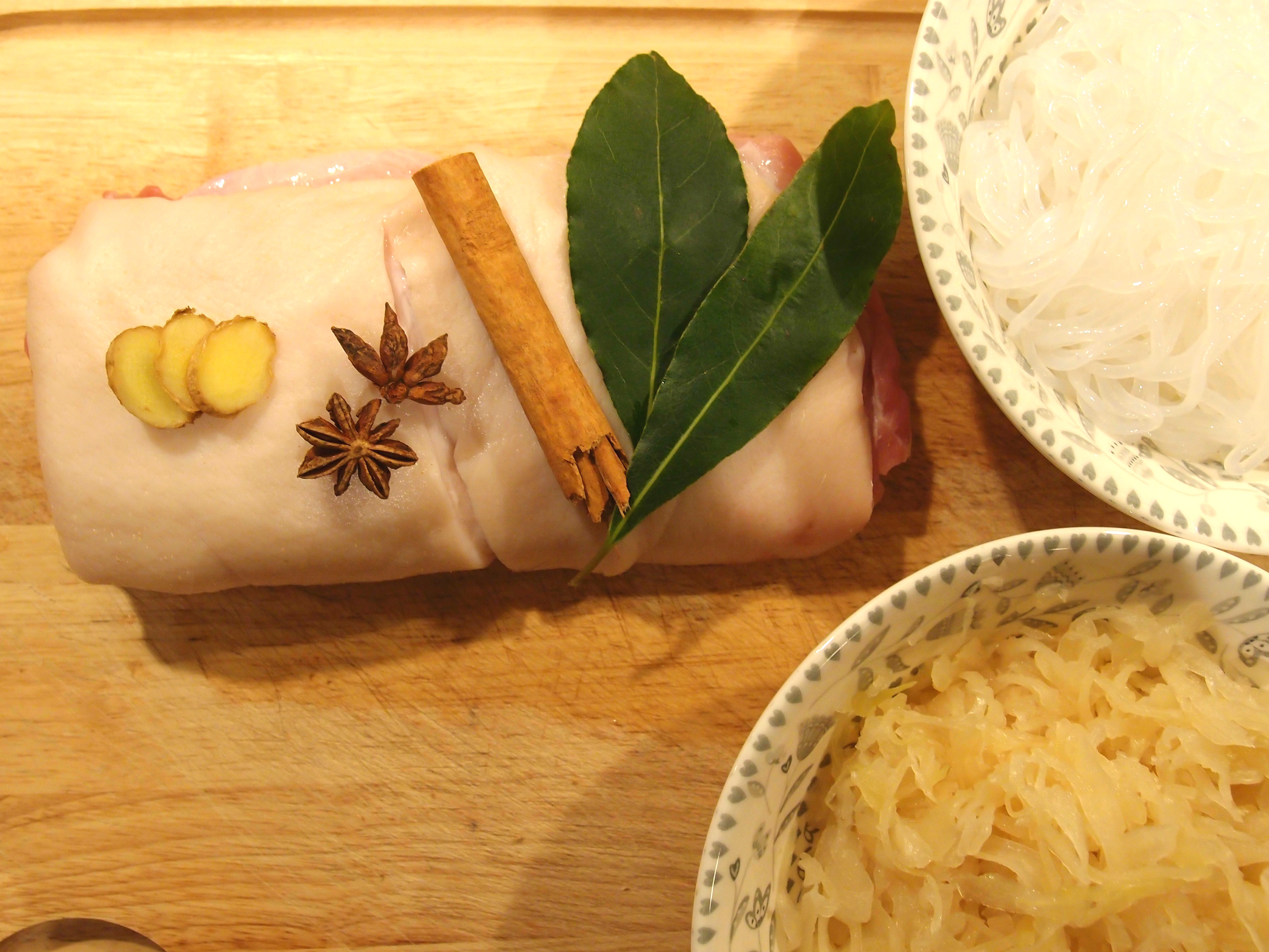
1 strip pork belly/pork belly joint (roughly 400-500g – I used 430g)
1/2 stick cinnamon
2 bay leaves (ideally fresh)
2 star anise
3 slices ginger
200g sauerkraut
1 bag shirataki noodles (mine was 170g)
You’ll also need olive oil to release the flavour from the spices, and will need to add some salt and water along the way.
 Continue reading “Pork belly and sauerkraut stew – a modern take on a traditional Chinese recipe”



 Blender & Basil