

Thanksgiving recipe – a Sardinian take (pudda prena a sa sarda)
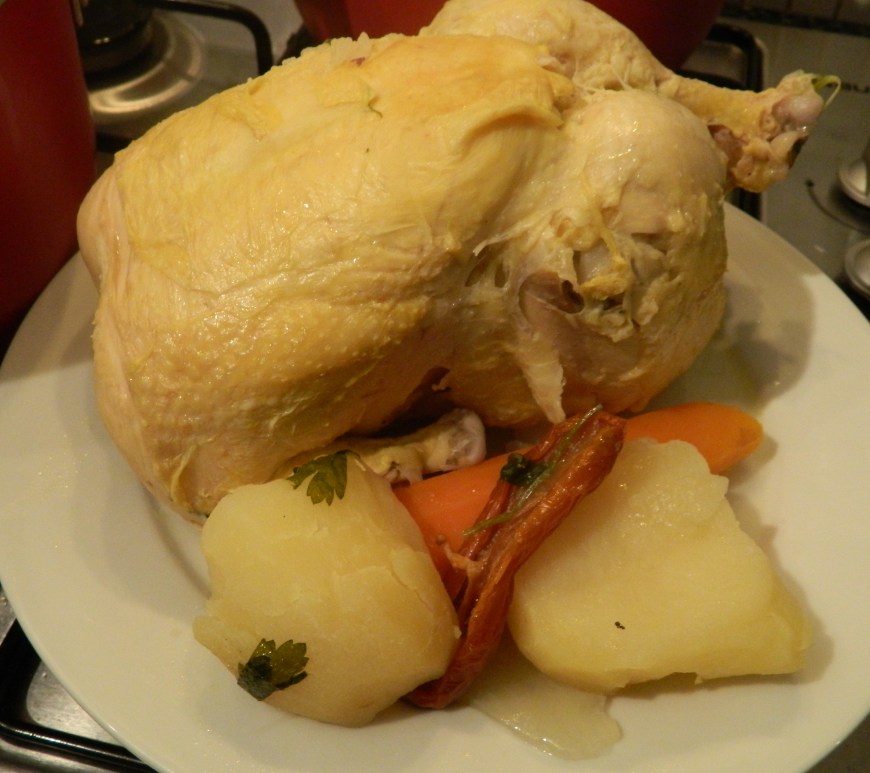
This traditional Sardinian recipe will be a great alternative to your classic Thanksgiving roast. Instead of being cooked in the oven, this bird is boiled, instead of giving you turkey sandwiches as leftovers, this will give you succulent tender meat to add to your salads and a rich stock for your risottos, soups or meat stews. It brings me so many childhood memories because this is the Sunday dish my grandma used to prepare for the family. Like she would have done, I used a nice corn fed rampant chicken: my butcher cleaned it for me so it was ready to stuff. I would have needed the inside organs for the stuffing, but they were not included in the purchase, so I bought some chicken hearts separately. Another must-have ingredient is lard: according to all my family, it is the very ingredient that keeps the stuffing together and gives it the right texture. But worry not, just like I did, you will be able to find it at the supermarket.
Continue reading “Thanksgiving recipe – a Sardinian take (pudda prena a sa sarda)”


Treasures from the sea: Linguine alla Bottarga
A classic of Sardinian cuisine, pasta alla bottarga will be one of the first dishes you will try or be offered when visiting Sardinia (or a Sardinian friend). Bottarga is the gold of Sardinia: like a parmesan of the sea, this delicatessen, made of dry fish roe, will give that extra flavour to any seafood meal, especially when we talk about risotto or pasta, it is a must to add a little as a final touch. This recipe, like all Italian classics, is open to be changed to your taste and you will find, when you speak with different Italians or Sardinians, that each of them have their own style. The puritans will tell you that the best way is to add just a drizzle of olive oil to your pasta and a teaspoon or two of bottarga and your dish is ready. I’m a garlic lover and I like to create a cream with the bottarga, so below I add butter to it: far from the tradition, which would probably favour animal fat. Also, to this same recipe you can add a crushed red chilli pepper if you like it hot, a teaspoon or two of lemon zest if you want to add aroma, or squeeze a bit of lemon juice before serving to make it taste fresher. Bear in mind, I’m using linguine for this recipe, but you can use the pasta you like, even if long pasta is recommended as the sauce sticks nicely to it.
Continue reading “Treasures from the sea: Linguine alla Bottarga”
Bottarga: the Sardinian Gold
Bottarga (also called bottargo or bottariga…) is a delicacy widely used in the south of the Mediterranean: several cuisines have this fish roe amongst their ingredients, but it is commonly associated with Sardinian cuisine. Hence, it is an indispensable element of my cooking.
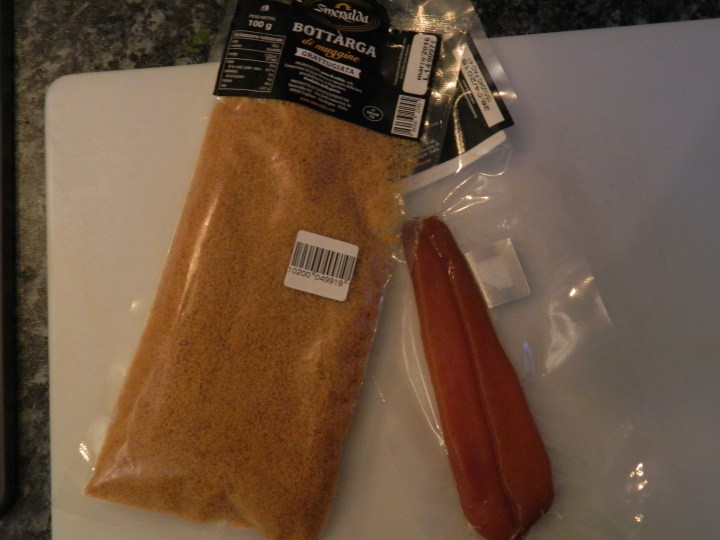
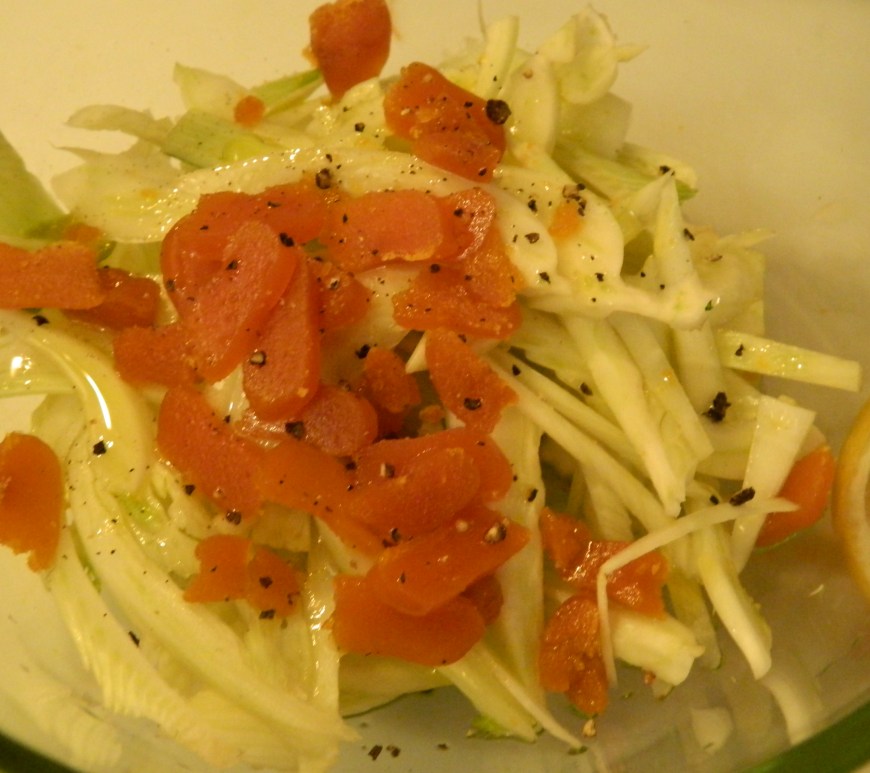
The preparation of this magical ingredient is rather simple: the fish roe is usually taken from grey mullet or tuna, and it is left to dry in salt after being pressed into an oblong shape. This is then coated in beeswax for preservation purposes. It has a very strong fishy flavour, which is a real speciality to be used for antipasti like in this marvellous cabbage and pine nuts dish (photo below) or as an addition to fish based pasta (like a parmigiano of the sea).

Imitated crab (sai pang xie) – an imperial recipe from Beijing
There’s a story behind this imitated crab (sai pang xie) recipe, and it starts with the Empress Dowager Cixi craving crabs. Unfortunately, being based in Beijing means a lack of fresh crabs, so the imperial chefs found a clever way to cook eggs to make them taste as good as crab meat. I love this recipe because you can make a huge quantity of the “crab” without breaking the bank – and the bonus is that there’s no need to get fiddly with crab shells!
There are many variations of the recipe, starting with the poor-man’s version with just eggs. Others use white fish and a touch of prawns to achieve a texture closest to crab meat. I’ve used only prawns here, as I prefer that more seafood-y taste.
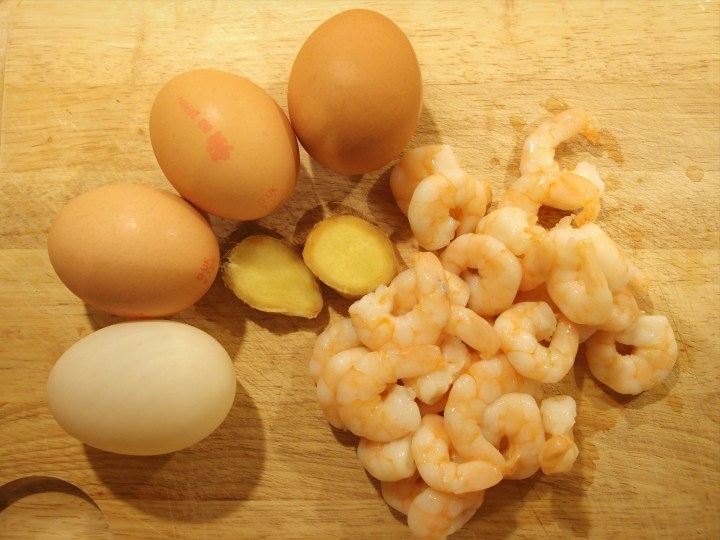
I’ve also used a salted egg, as this adds a little extra punch to the recipe, but you can use normal eggs. If you’re using normal eggs, then make sure you add more salt in the egg white and egg yolk mixes.
Lastly, this version separates the egg white and egg yolk to create two parts with different textures. The egg white is the crab meat, and the egg yolk is the crab yolk. The most basic form of this recipe doesn’t bother with separating the two, but I really think that this step makes a huge difference to how good it tastes, so it’s not worth skimping on that.
The version below serves 2, and takes roughly 30 minutes to cook. Most of it is time spent chopping the prawns though!
Ingredients
4 eggs (optional: 1 of the eggs can be a salted egg)
2 thick slices of ginger (roughly 3mm and 5mm thick each)
90g of prawns (alternatively, use 70g of white fish and 5-6 prawns)
2 tbsps of Chinese rice vinegar (you need the dark coloured vinegar)
Optional: 1 tbsp of Chinese shaoxing cooking wine
You’ll also need salt to sprinkle into the egg mixes and olive oil for the pan.
 Continue reading “Imitated crab (sai pang xie) – an imperial recipe from Beijing”

Bonfire night recipe: candied sweet potato
It’s time for fireworks and toffee apples. Yes, it’s time for Bonfire Night. For something a bit different from apples, you can also coat sweet potatoes in sugar. Here’s a very simple recipe for doing just that. It’s a flexible recipe: you can use any type of frying oil you like, and you can cut your sweet potatoes into cubes or strips. I like doing them into smaller slices simply because I like more sugar than sweet potato. Hey, it’s not a healthy recipe by any means (you’re doing some serious frying and coating things in sugar), and we’re not going to eat this every day, so anything goes!
This is from a Chinese recipe where you’d normally cut the sweet potatoes into cubes and also create “threads” with the sugar afterwards to make it look pretty. I generally do that if I’m having this as a standalone dish, but this time it was a small side with the main meal. When you make this with sweet potato cubes, make sure that you don’t brown it as much as I’ve done. I like a crispier taste when having it as a side.
The below serves 2 as a side. You can easily scale it up.

Ingredients
1 sweet potato (roughly 300g)
100g cane sugar (ideally not brown sugar for this)
1 tablespoon sesame
You’ll also need oil for frying and half a cup of water. I used olive oil here.
Continue reading “Bonfire night recipe: candied sweet potato”

Halloween recipe – sweet potato and squash mince bake
Halloween is just a few days away, and it’s the season of pumpkins, squash and other things orange. This sweet potato and squash mince bake is a modified Chinese recipe – the original uses processed fish balls instead of mince, and uses only squash or pumpkin, but I prefer cooking with fresh meat, and mixing in the sweet potato gives you a more balanced mix of your veg intake. It will make a nice main dish to go with all the beautiful Halloween cakes and snacks on the BBC website, for example (love their Good Food section!)
This recipe takes a bit longer than the others we’ve listed so far, and a lot of it is prep time. There’s a lot of chopping involved. If you want to save a bit of time, then M&S do a bag of mixed butternut squash and sweet potato cubes (350g). I used an onion squash for this recipe, not only because it’s the right size and I don’t like leaving half-cut veg in my fridge, but also because the flavour isn’t as sweet, so works well with sweet potatoes.

There are also two other easily swappable elements in the recipe, and they are the mince and the salted egg. You can use any type of mince you like apart from lamb – lamb tastes too strong and doesn’t balance well with the rest of the flavours. I’ve used pork and beef before, and this time I’ve used veal as it was on offer.
The salted eggs are from the original Chinese recipe, but not to worry – if you can’t get hold of them, then normal eggs will do just as well. You’ll need to add a bit more salt along the way, but the whole point of the recipe is that everything will half-disintegrate and mesh together, so normal eggs are just as good.
This recipe takes around 1 hour to make, and will serve 3-4 people.
Ingredients
1 onion squash (roughly 500g)
1 sweet potato (roughly 300-400g)
2 salted eggs
5 peppercorns
300-400g mince
5 tablespoons Chinese shaoxing cooking wine (optional)
100g Greek cheese
You’ll also need olive oil and salt to taste.
We’ll be starting in a frying pan, and will then move the mix into the oven, so you’ll need to prepare a baking tray (lined with foil if you want to save some scrubbing later). Continue reading “Halloween recipe – sweet potato and squash mince bake”
Pork belly and sauerkraut stew – a modern take on a traditional Chinese recipe
The pork belly and Chinese sour cabbage stew is one of my favourite dishes from China’s Dongbei cuisine, but sadly it’s extremely difficult to get hold of Dongbei-style sour cabbage outside China (the type from Southern China tastes very different). In order to make your own through my grandmother’s traditional recipe, you need to make a really massive batch, and I don’t cook with it enough to make that a realistic option.
Luckily, sauerkraut tastes a lot like it, and although it’s not 100% to the traditional taste, you can get the same balance of the refreshing sour taste of the sour cabbage and the rich and juicy pork belly from this recipe.
Also, to note, I’ve used the method where you cook the uncut pork belly first. You can also slice the pork belly into strips when the pork is raw (if it’s too soft to cut easily, just put it in the freezer briefly until it’s easier to cut). However, directly cooking the sliced pork belly gives you a greasier dish in the end, so I prefer cooking it the longer way.
Traditionally, you’d use a vermicelli made from yam for the stew (it has to be the thicker variety), but here, as pork belly is quite a fatty food, I’ve swapped it out for Shirataki noodles. These are super low calorie and are made from konjac yam, so taste identical to the traditional ones in the stew. If you can’t get hold of these, then you can replace it with a thick noodle or even leave it out completely.

The recipe below serves 2-3, and takes roughly 40 mins to cook. As you’ll see below, the ingredients are also a bit rough for this, because in Chinese stews, you can vary the amount of meat or noodles and it will still come out well.
Ingredients
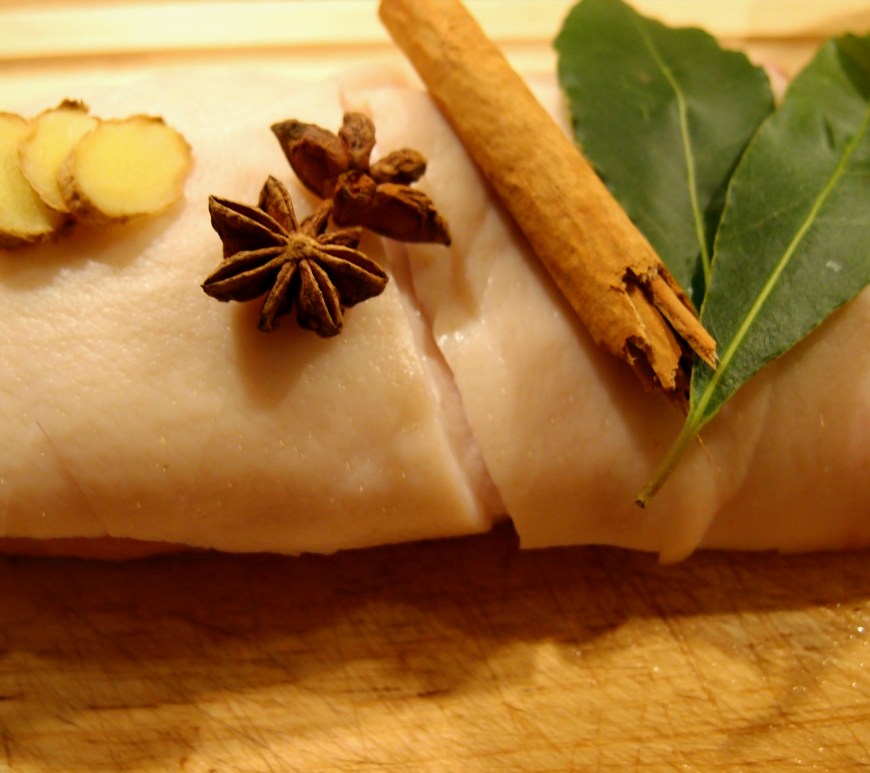
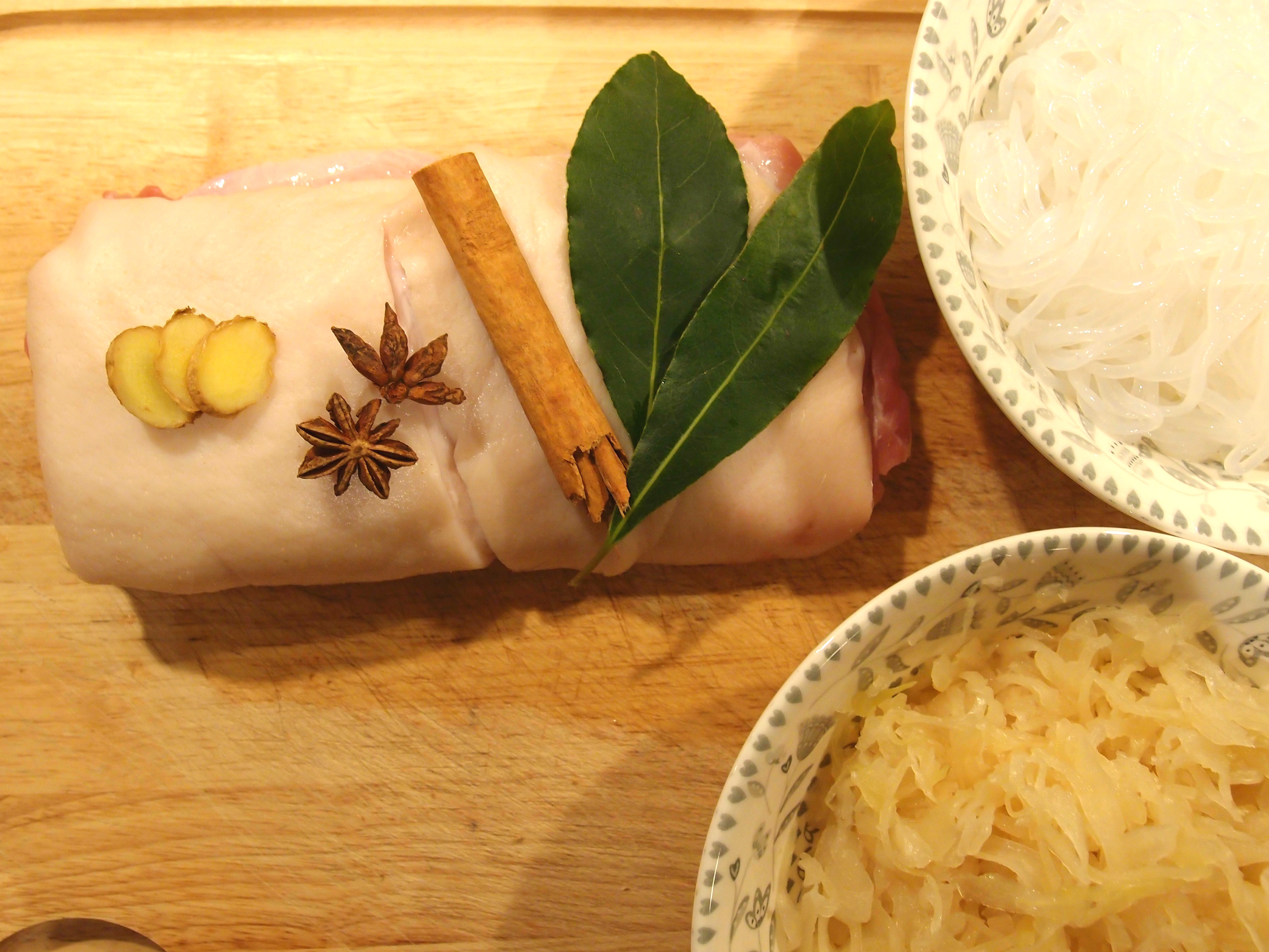
1 strip pork belly/pork belly joint (roughly 400-500g – I used 430g)
1/2 stick cinnamon
2 bay leaves (ideally fresh)
2 star anise
3 slices ginger
200g sauerkraut
1 bag shirataki noodles (mine was 170g)
You’ll also need olive oil to release the flavour from the spices, and will need to add some salt and water along the way.
 Continue reading “Pork belly and sauerkraut stew – a modern take on a traditional Chinese recipe”

First time making: homemade apple and plum jam with cardamom
Now that my two jars of strawberry jam are nearly empty, it’s time to make a new batch – with apples and plums. I wanted to try something less runny this time, and as it’s the pectin that makes jam set, I decided to try a recipe with plums (a fruit that features on the high pectin list). Then I found this delicious-looking plum and apple jam, as well as this beautiful French apple jam recipe, so decided to combine the two and make an apple and plum jam with cardamom.
For the apple variety, I picked Gala, as it’s generally good for apple sauces: it’s sweet, got a good texture and isn’t too “watery”.
PLEASE NOTE: I thought it’d make 2 x 500ml jars of jam, but it turned out that there was only enough for 1 jar, so in the future, I won’t be scaling down the recipe in this way.
Ingredients
250g flavouring plums (4 plums)
250g Gala apples (2 apples)
1 cardamom pod
300g jam sugar
100g cane sugar
150ml water
You’ll also need: a potato masher and 1 jam jar (500ml).
 I scaled down the sugar slightly, as the apple and plum varieties already seemed quite sweet to me. By the original recipe, you should use 450g sugar. Also, just because I’m paranoid (and there was still some left over), I’m using a mix of jam sugar, which contains pectin, and normal sugar. In theory, the plum will provide enough natural pectin, so you can use normal white sugar here. Continue reading “First time making: homemade apple and plum jam with cardamom”
Classic pesto recipe
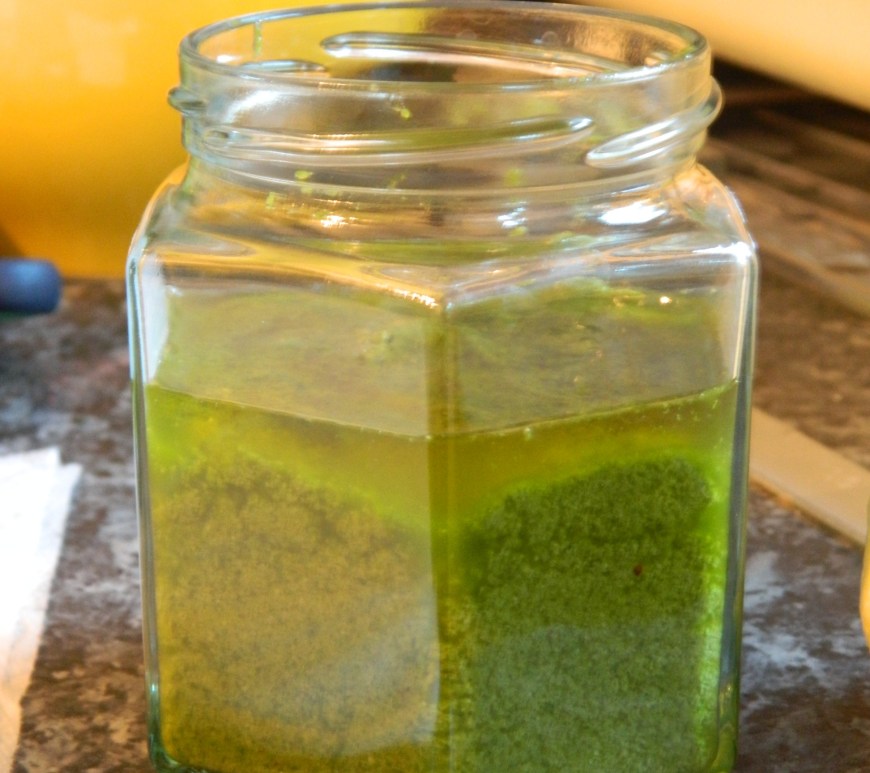
Let’s admit it, who hasn’t bought pesto in the shops? I did so many times… I understand many people think it is a complicated sauce to make, but actually it is super easy and a lot nicer when made with fresh ingredients. Recently, I had the opportunity to grow my own basil in the garden and therefore I took advantage to finally try to make fresh pesto. The result was so light and tasty I don’t think those pots at the supermarket or at the local deli will ever tempt me again.
When tackling Italian recipes, if I don’t have one stolen from mamma’s notebook, Giallo Zafferano is my absolute bible, they always get the right measurements and they don’t keep extra tips to themselves: so I followed their recipe, but instead of doing the pesto the old fashion way (with pestle and mortar), which would have taken me 20 minutes, I have used a hand blender, spending about ten minutes (if not less) to get my very own pot of pesto!
Ingredients:
50 gr basil leaves (note that to get the real thing as a result, you should try and find basil with longer rather than large leaves, the real Genoese basil)
1 garlic clove (but if you are feeling brave, or your partner is, you can put more)
6 tbsp of Parmigiano Reggiano
2 tbsp of Pecorino cheese
1 pinch of salt
100 ml of extra virgin olive oil
1 tbsp of pine nuts
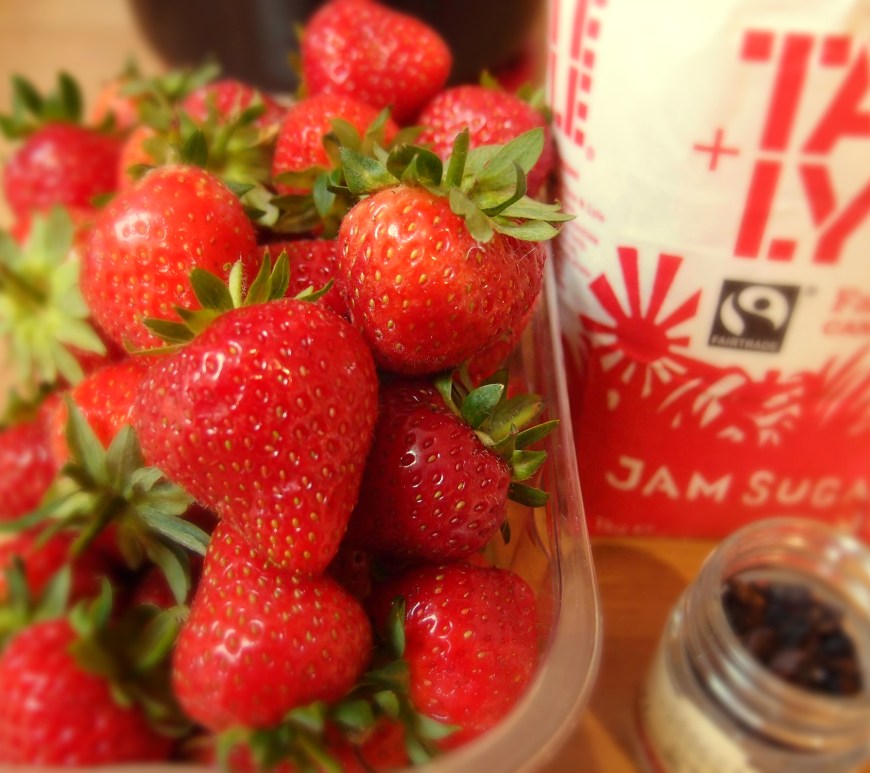
First time making: homemade strawberry and vanilla jam
As it’s summer, and strawberry season, I thought I’d try out Jamie Oliver’s supposedly super easy way to make homemade strawberry jam. While I love strawberry jam, most store-bought versions taste a tad too sweet/artificial for me. The jam with the lowest sugar-to-jam ratio I’ve found is the Streamline Reduced Sugar Strawberry Jam, which is nice as well, but guess there’s nothing like making your own!
It’s my first time trying out this recipe, so I’ve scaled it down slightly (only very, as the strawberries were on offer). Also, I didn’t find any whole vanilla pods in the shops, so used ground vanilla beans instead.
This filled 2 x 500ml jam jars – not quite as expected from what the original recipe mentioned.
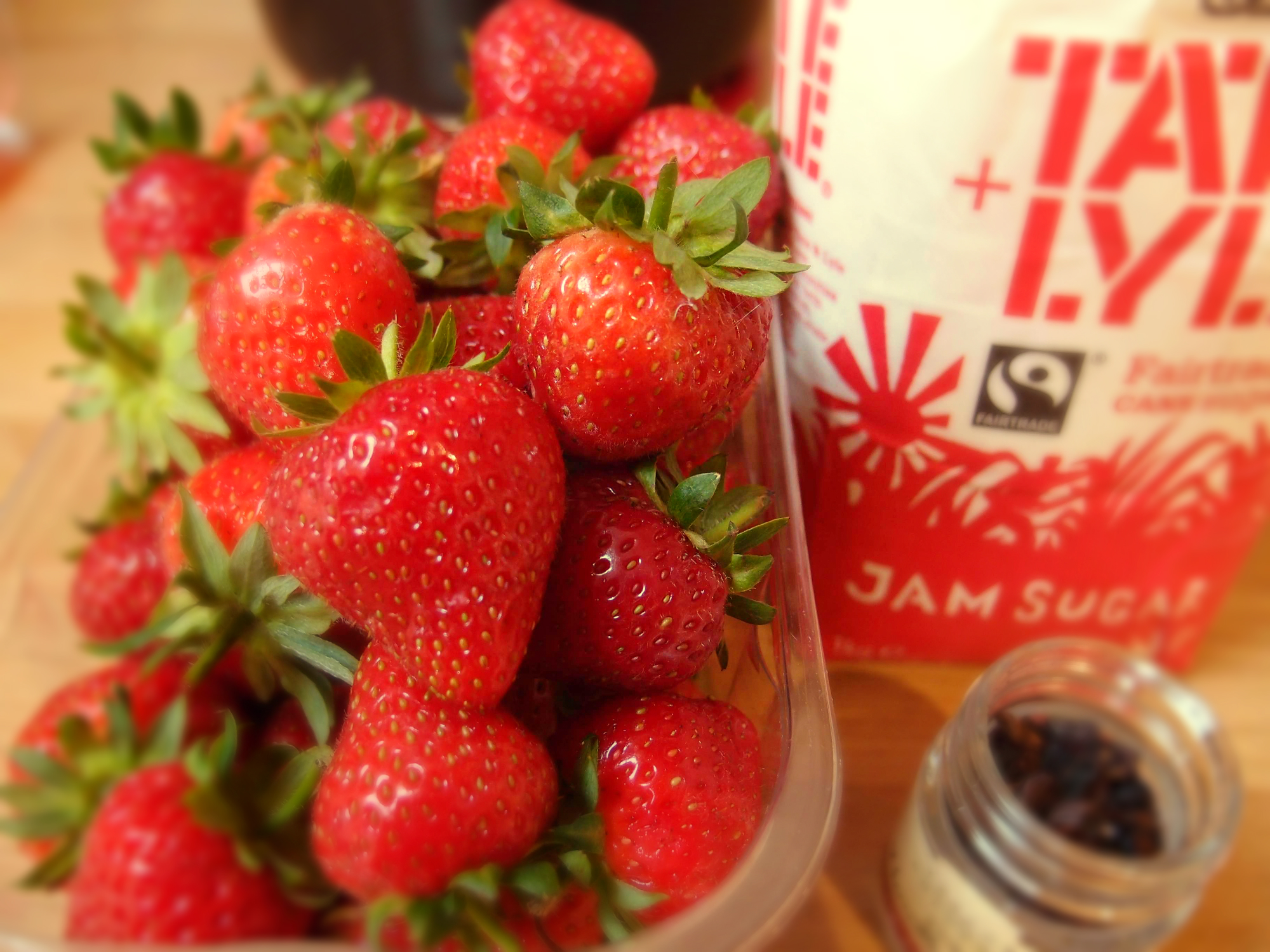 I used…
Ingredients
800g strawberries
400g jam sugar
4g ground vanilla beans
You’ll also need: a potato masher and 2 jam jars (500ml).
Continue reading “First time making: homemade strawberry and vanilla jam”
 Blender & Basil